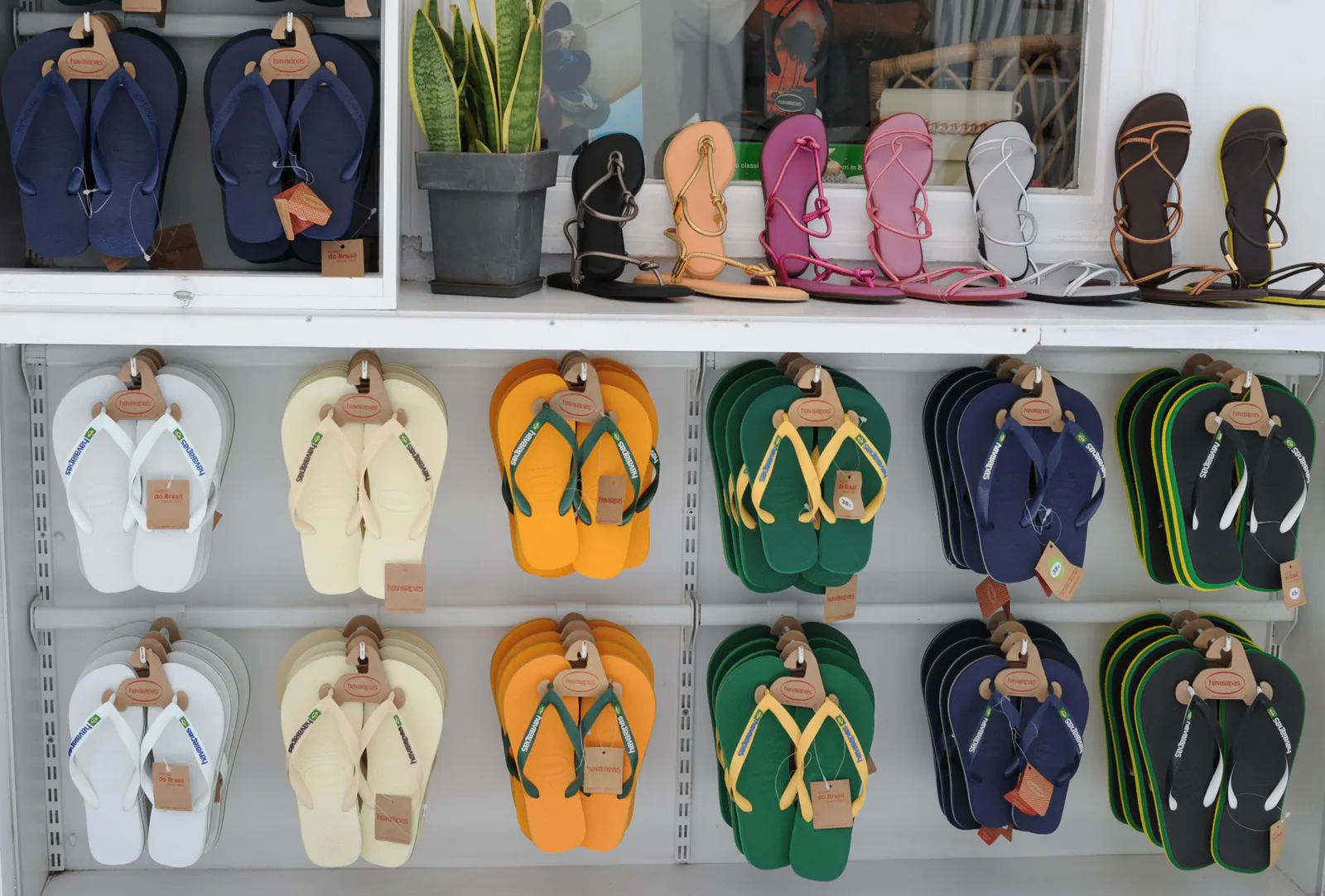
Whether you run a grocery store chain with hundreds of locations, a gas station on a busy highway, a beachside gift shop, or a major retail operation with seasonal footwear departments, buying wholesale flip flops and wholesale sandals is one of the highest-margin decisions you can make for your store. The category is deceptively simple — but the difference between a flip-flop program that flies off the shelves and one that sits untouched comes down to a handful of strategic choices. This guide walks you through everything you need to consider before placing your next wholesale order.
Know Your Customer and Your Store Format
The first step in any wholesale sandal program is understanding who's walking through your doors and what they need in that moment. A gas station traveler who forgot their beach shoes needs something fast, affordable, and visible. A grocery store shopper picking up weekend supplies might grab a pair on impulse if the display catches their eye. A major retailer with a dedicated seasonal section has room for broader assortments, including wholesale woman's sandals in multiple styles and colorways.
Each store format demands a different approach to assortment, display, and price point. The common thread across all of them: your customers are buying sandals as a convenience, not as a planned shopping mission. That means the product needs to be impossible to miss, effortless to grab, and priced so the decision feels like a no-brainer.
Color Variety Is the Single Biggest Sales Driver
If you take one thing away from this guide, let it be this: color matters more than any other factor when it comes to wholesale flip flops and sandals. The data is unmistakable. Merchants who stocked over four colors saw a sales uplift compared to when they stocked less colorful flip flops the prior season.
Think about it from the shopper's perspective. A display of plain black and brown flip-flops blends into the background. A wall of vibrant pinks, teals, sunshine yellows, coral reds, and electric blues stops foot traffic. Color creates the impulse. Color triggers the grab. And when a customer sees a shade that matches their swimsuit, their personality, or their mood, the purchase becomes emotional — not logical. That's exactly the moment you want to capture.
"Merchants who stocked over 4 colors saw a sales uplift compared to when they stocked less colorful flip flops the prior season."
How Many Colors Should You Stock?
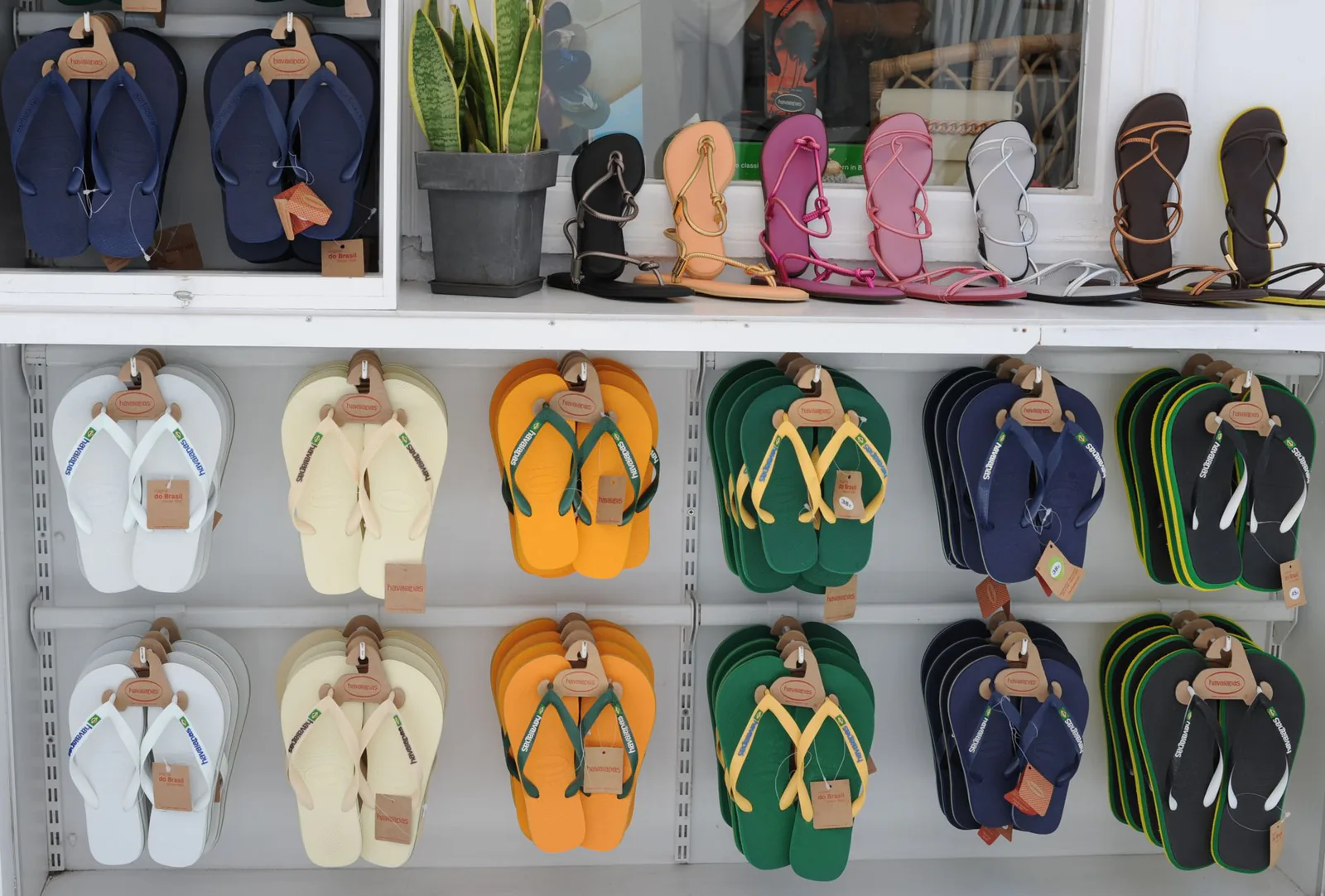
The sweet spot, based on retailer feedback and sales data, is a minimum of five to six colors per style. This gives you enough variety to appeal to different tastes without overwhelming your display space. For stores with limited shelf real estate — like gas stations or convenience stores — even four bold, contrasting colors can deliver the uplift. For larger retailers with dedicated seasonal sections, eight to ten colors allows you to create a true destination display.
The key is contrast. Stocking five shades of blue doesn't create the same visual impact as stocking blue, pink, yellow, green, and red. Choose colors that pop against each other and against your store's background. The goal is a display that can be seen from across the aisle and that draws the eye the moment a shopper rounds the corner.
Choosing the Right Styles for Your Assortment
Not all flip-flops and sandals are created equal, and your assortment should reflect the range of customers you serve. Here are the core style categories to consider:
- Classic thong flip-flops — The bread and butter of the category. Simple, universal sizing, and the highest impulse-buy rate. Stock these in your widest color range.
- Wholesale woman's sandals — Strappy, embellished, or wedge-style sandals that appeal to female shoppers looking for something a step up from a basic flip-flop. These perform especially well in grocery stores and gift shops where women are already browsing for seasonal items.
- Sport and comfort sandals — Thicker soles, arch support, and durable straps. Great for tourist-heavy locations near beaches, parks, and resorts where customers need all-day comfort.
- Kids' flip-flops — Often overlooked but a strong seller in family destinations. Smaller sizes, bright colors, and affordable price points make these a natural add-on purchase for parents.
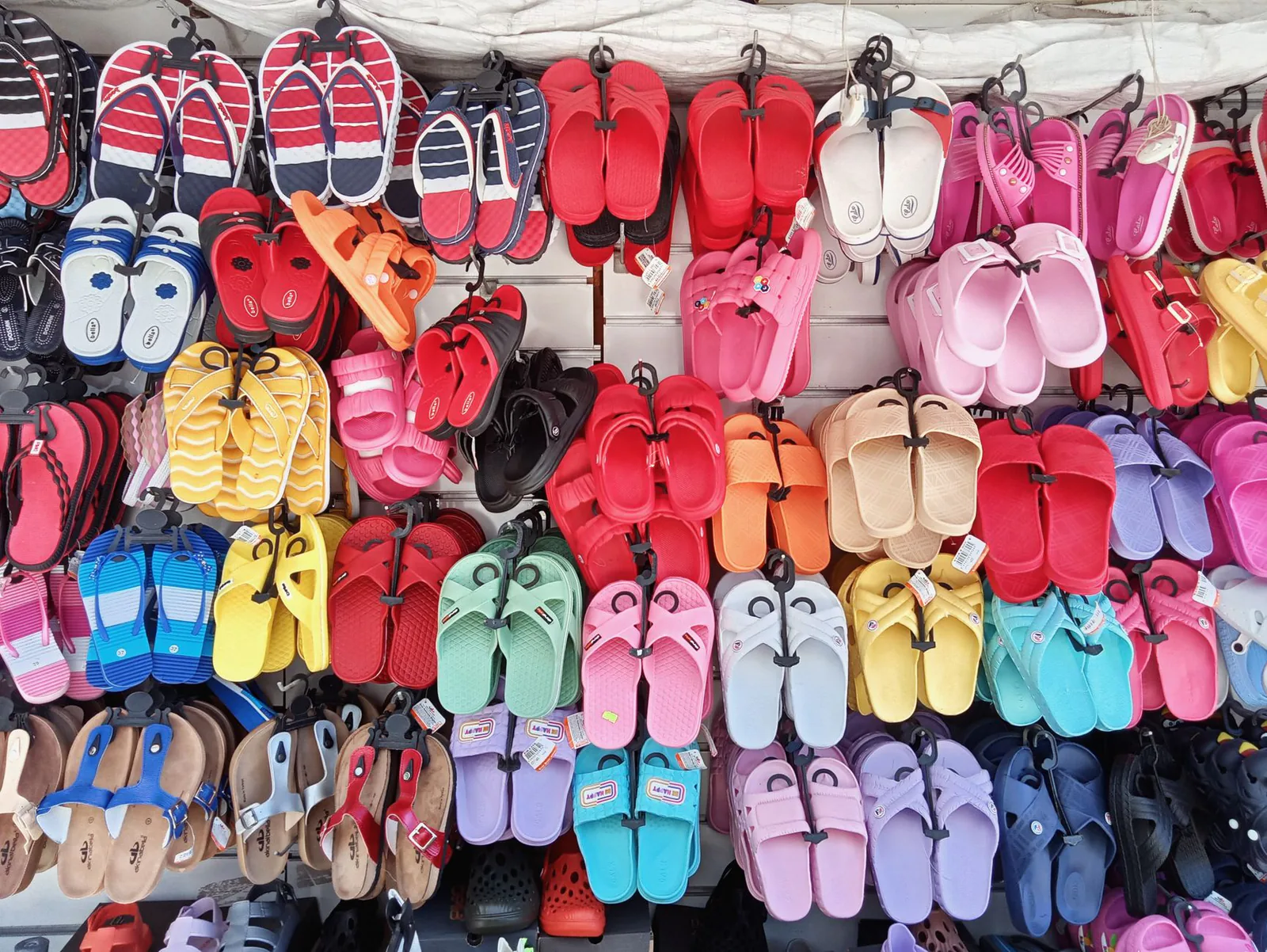
Derrick Dion specializes in colorful styles that catch the eye of your customers as they browse your store, and are sold at an affordable price point to be bought for one-weekend use. Explore Derrick Dion's wholesale product line →
Sizing Strategy: Keep It Simple
One of the biggest mistakes new wholesale sandal buyers make is overcomplicating sizing. Unlike fashion footwear, flip-flops and sandals don't need a full run of half sizes. A simplified size range — typically S, M, L, XL or whole-number sizes 6–7, 8–9, 10–11, 12–13 — covers the vast majority of customers and keeps your inventory manageable.
For wholesale woman's sandals, consider carrying a slightly broader size range since women's foot sizes vary more in the styles they prefer. But the principle remains the same: fewer SKUs, faster turns, less dead stock.
Price Point: The Impulse-Purchase Sweet Spot
Retail pricing for wholesale flip flops should land in the $10 to $15 range — the zone where a purchase feels spontaneous rather than deliberate. At this price, a customer who forgot their sandals at the hotel, whose kid's strap just broke, or who simply sees a color they love can make the decision in seconds without consulting a budget.
For wholesale buyers, this means your cost per pair needs to support a healthy retail margin within that window. Look for wholesale partners who deliver bold, quality product at a cost that lets you hit the impulse price point without sacrificing margin. The best wholesale sandal programs combine visual appeal, durable construction, and a price structure that works for both sides of the transaction.
Display and Merchandising: Make It Impossible to Miss
Even the most colorful, well-priced flip-flops won't sell if they're buried in a back aisle. The most successful wholesale sandal programs use display-first merchandising — pre-packed end-cap displays, pegboard hooks near checkout, or freestanding floor displays in high-traffic zones.
For grocery stores, the ideal placement is near the entrance, the seasonal aisle, or the checkout zone. For gas stations, counter-adjacent displays or end-cap racks near the beverage cooler capture the grab-and-go crowd. Major retailers should create a visible seasonal footwear destination with color-blocked organization that makes the variety the hero of the display.
Seasonal Timing: When to Order
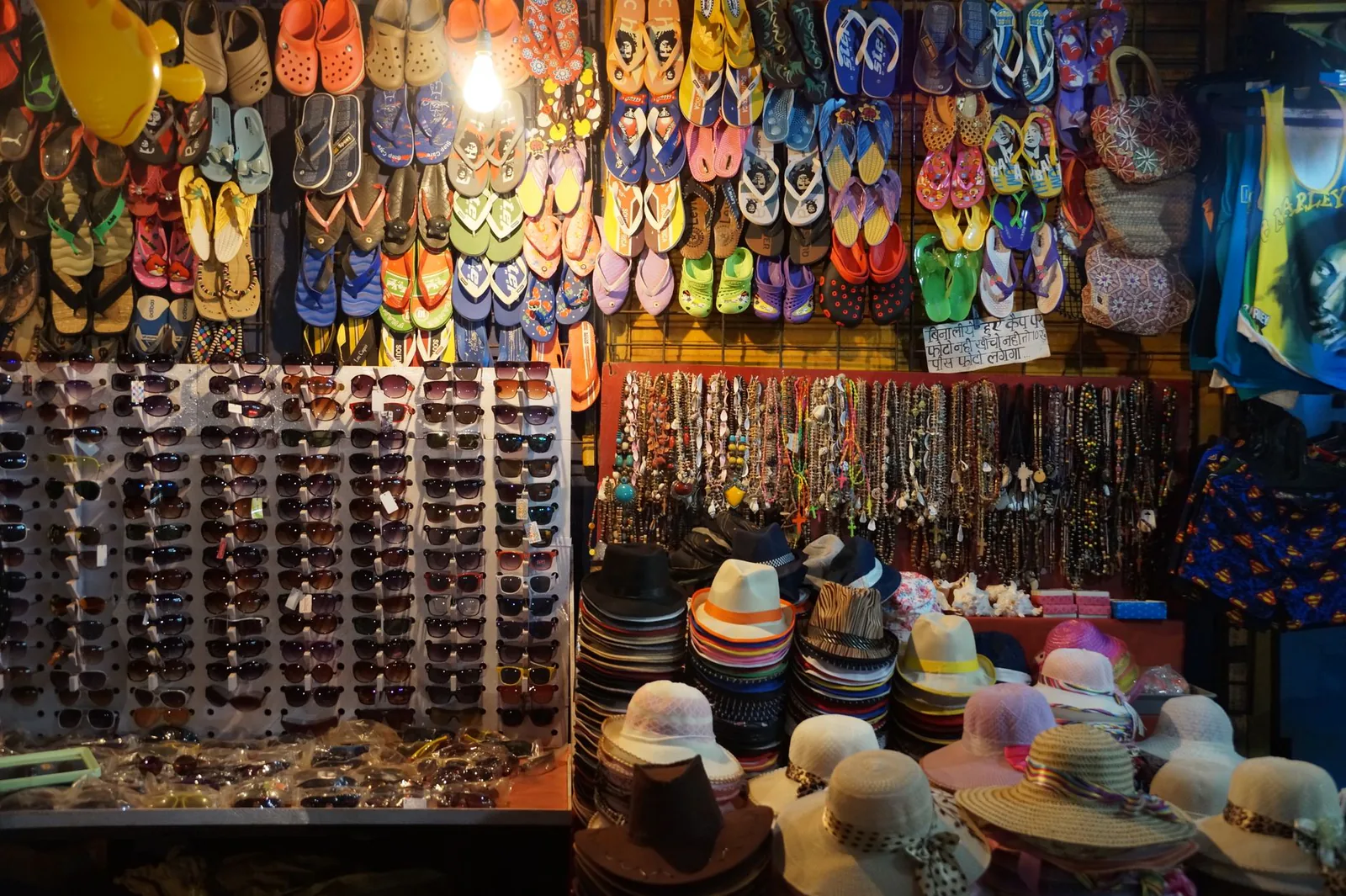
Wholesale flip flop and sandal orders should be placed well ahead of peak season. For warm-weather states like Florida, Texas, California, and Arizona, sandals sell year-round — but the surge begins in March and runs through September. For the rest of the country, the peak window is May through August. Place your wholesale orders 6–8 weeks before your target on-shelf date to ensure you have full color assortments ready when foot traffic peaks.
Tourist-heavy markets should also consider restocking mid-season. The best-selling colors will move fast, and a depleted display loses the visual impact that drives impulse purchases in the first place.
Choosing the Right Wholesale Partner
Not all wholesale sandal suppliers are created equal. When evaluating a partner, look for:
- Bold, colorful product lines — If their catalog is dominated by black, brown, and navy, you're already starting behind. Color is your sales driver.
- Display-ready packaging — Pre-packed displays save you labor and get product on the floor faster.
- Competitive wholesale pricing — Your cost should support a $10–$15 retail price point with strong margins.
- Reliable lead times — Seasonal product is time-sensitive. Your partner should deliver on schedule.
- Range of styles — From classic flip-flops to wholesale woman's sandals, your partner should cover the full assortment you need.
The Bottom Line
Buying wholesale flip flops and sandals doesn't have to be complicated — but it does have to be strategic. Stock bold colors, keep sizing simple, price for impulse, display where people can't miss them, and partner with a supplier who understands that color and affordability are the two levers that move this category. Do that, and you'll turn a seasonal afterthought into one of your store's most reliable margin generators.